
Delivering malaria control activities during extreme flooding – South Sudan
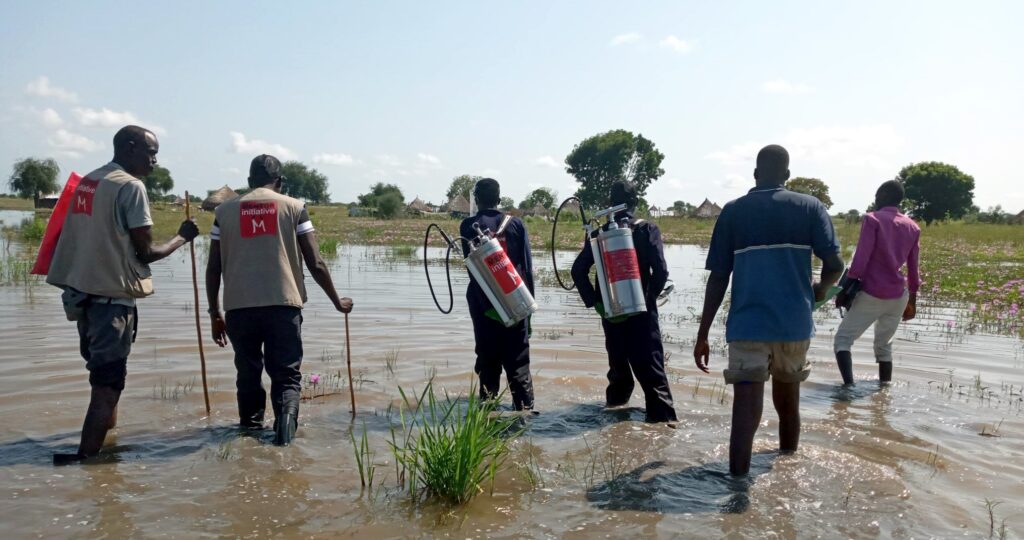
In recent months, South Sudan has experienced its most devastating floods in 60 years, with torrential rains ravaging several parts of the country. More than 1 million people across half of South Sudan have been affected by devastating flooding since July 2020 (1). Entire communities have fled to higher ground to escape the rising waters […]
Supporting Frontline Health Workers in Nigerian Conflict Zones (with SC Johnson and Nothing But Nets)
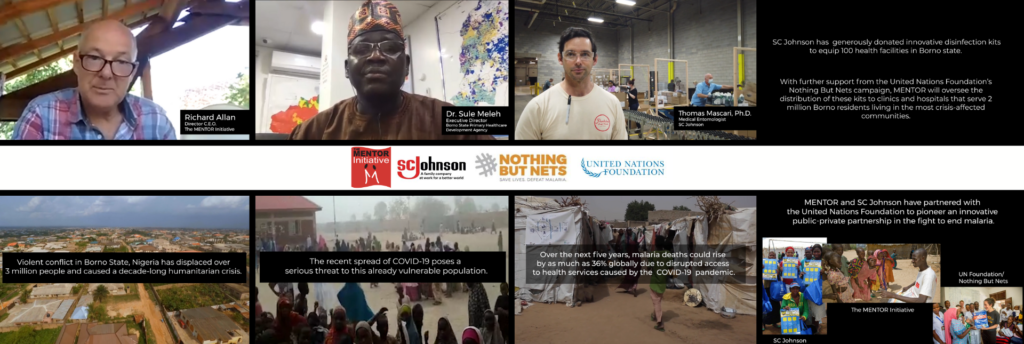
This year, World Humanitarian Day (August 19) arrives at a time when COVID-19 is surging across Africa: more than 1 million cases have been reported, despite limited testing capacity. COVID-19 is starting to spread beyond Africa’s urban areas and now poses a serious threat to humanitarian settings such as refugee settlements and war-torn communities. Health […]
Assessment Report – Health Needs: Borno State, Nigeria
Indoor Residual Spraying in Southern Angola
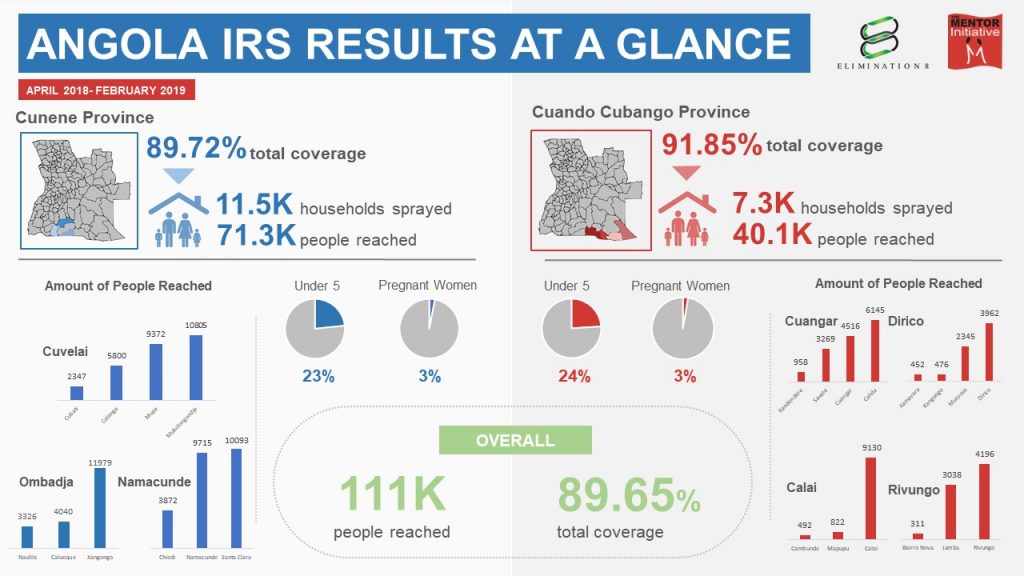
The entire Angolan population is at risk for malaria. In 2018 there were 3.8 million malaria cases and 16,000 malaria deaths in 2017.[1] Additionally, malaria in Angola accounts for 35% of mortality in children and 40% of pre-natal mortality.[2] Under the supervision and coordination of the National Malaria Control Program (NMCP), The MENTOR Initiative (MENTOR) […]
MENTOR IN MOZAMBIQUE UPDATE (JUNE 2019)
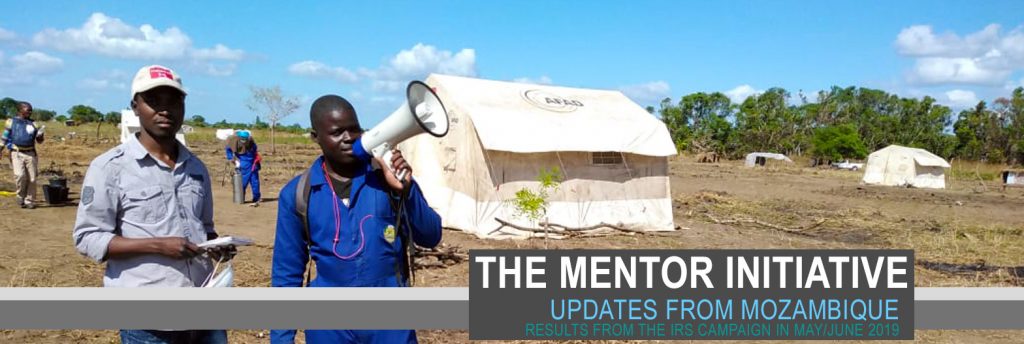
Reporting On The First Round Of IRS Campaigns in a post-Cyclone Idai Mozambique Immediately after Cyclone Idai struck Mozambique and the surrounding region in March 2019, The MENTOR Initiative mobilised their Emergency Team to start preparing for what we knew to be an incoming “Second Wave”. Our history and expertise working to reduce and prevent […]
Famine and Malaria – A Lethal Combination (P.10-11)
We are stronger together when tackling Malaria (P.15)
Malaria Control in Emergencies
Complex emergencies are characterized by insecurity and mass population movements. At the end of the year 2000, an estimated 135 million people – including refugees, returnees and internally displaced persons – were af- fected by complex emergencies.1 More than 40 million people in Africa – more than 75% of them women and children – were displaced […]