Vector-borne diseases, particularly cutaneous and visceral leishmaniasis, remain a critical public health threat in northern Syria due to conflict, displacement, weakened health systems, and poor environmental conditions.
In the first half of 2025, over 6,000 cutaneous and 22 visceral leishmaniasis cases were reported in MENTOR-supported facilities, with the highest burden in Aleppo and Idleb governorates. People in vulnerable settings, including internally displaced people, returnees, women, children, and persons with disabilities, face delayed diagnosis and limited access to care.
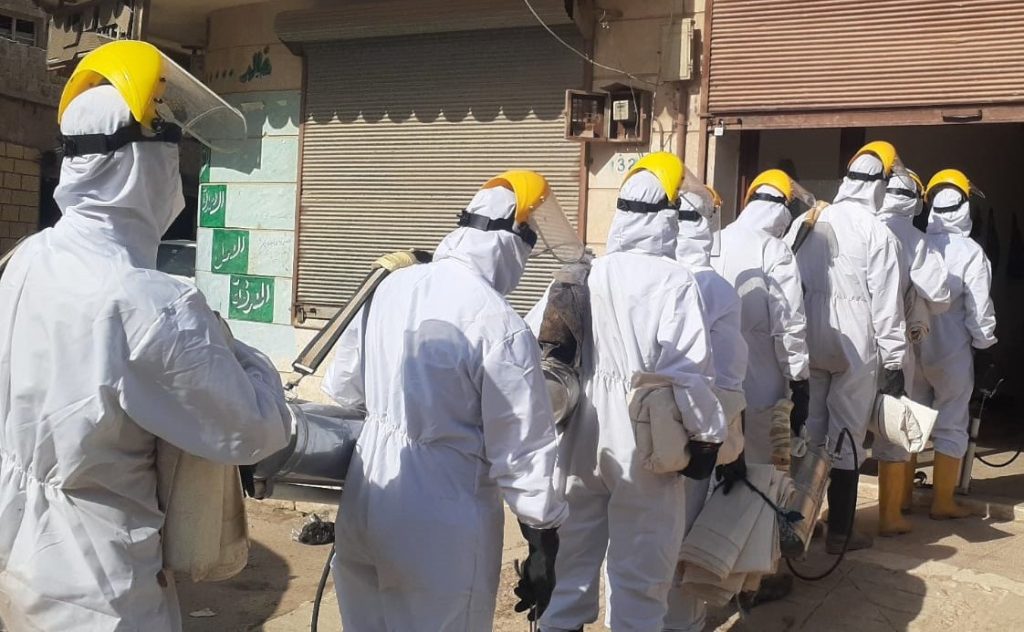
The project responds through an integrated health and Water, Sanitation and Hygiene (WASH) approach, strengthening disease surveillance, case management, and vector control while building local capacity and community ownership to reduce transmission and prevent outbreaks.