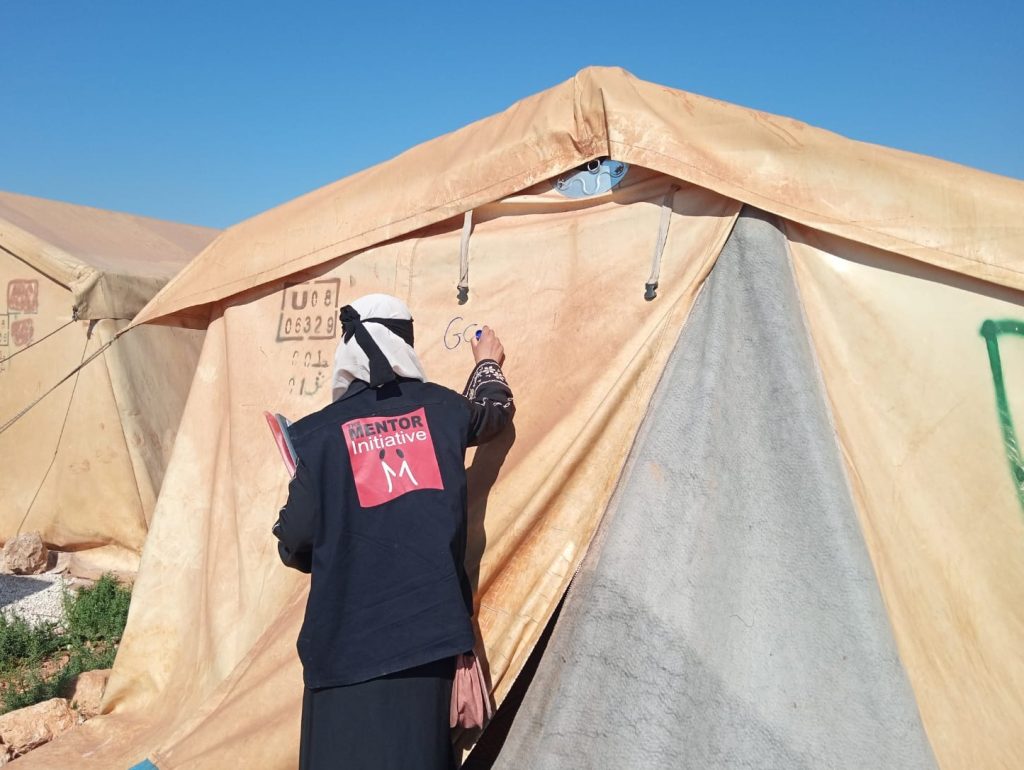
MENTOR has been operating in Syria to support the prevention, diagnosis, and treatment of leishmaniasis in line with national strategies and humanitarian health priorities since 2013. MENTOR’s approach focuses on strengthening primary healthcare services and community level capacity to reduce morbidity, prevent complications, and limit transmission in high risk areas.
Activities are implemented in close coordination with health authorities and partners with a primary focus on areas with high leishmaniasis transmission in northwest and northeast Syria.
MENTOR’s activities in Syria include:
- Support to selected health facilities, including provision of essential medicines and supplies for leishmaniasis diagnosis and treatment, training of medical staff, supervision, and quality assurance.
- Health worker support, including training, supervision, data collection, and early identification and referral of suspected leishmaniasis cases.
- Disease surveillance and data strengthening, supporting routine reporting, case monitoring, and analysis to inform timely and targeted responses.
- Vector control and environmental management, including targeted interventions such as indoor residual spraying to reduce disease transmission and sandfly breeding sites in high risk communities.
- Solid waste management, including rehabilitation and operation of waste disposal systems, distribution of waste collection materials, and coordination with local authorities and service providers to improve environmental health conditions and reduce disease risks in affected communities.
- Health education and community sensitisation, with Information, Education and Communication (IEC) sessions focused on leishmaniasis prevention, early care seeking, treatment adherence, and stigma reduction.
- Operational and logistical support to ensure continuity of services in hard to reach and insecure areas.
- Support to early recovery and humanitarian innovation, including the establishment of centralised (VBD) Management Units to standardise and strengthen the leishmaniasis response while reinforcing local health‑systems, alongside the integration of Guardian Spatial Repellents into local market systems to enhance sustainable disease prevention.