Severe flooding in northern Nigeria increases risk of malaria, pneumonia and cholera
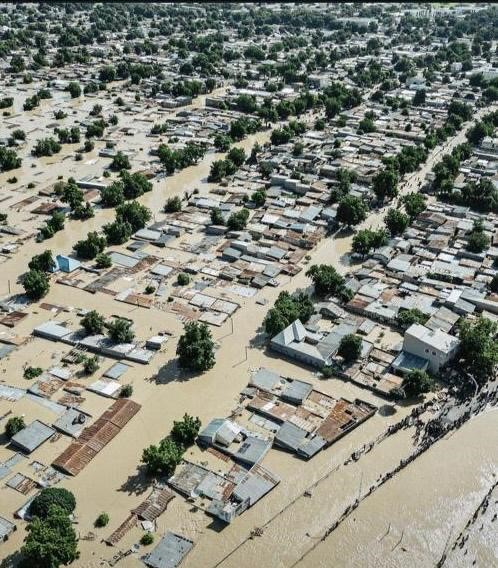
Severe flooding in northern Nigeria due to heavy rainfall has caused widespread destruction and the significant displacement of communities who are already impacted by a food and nutrition crisis, violence and insecurity. Infrastructure such as bridges and roads, and access to essential services such as hospitals, schools and markets have been affected by the floods. […]
New trial of vector control tools addressing Aedes begins in IDP camps in Nigeria.
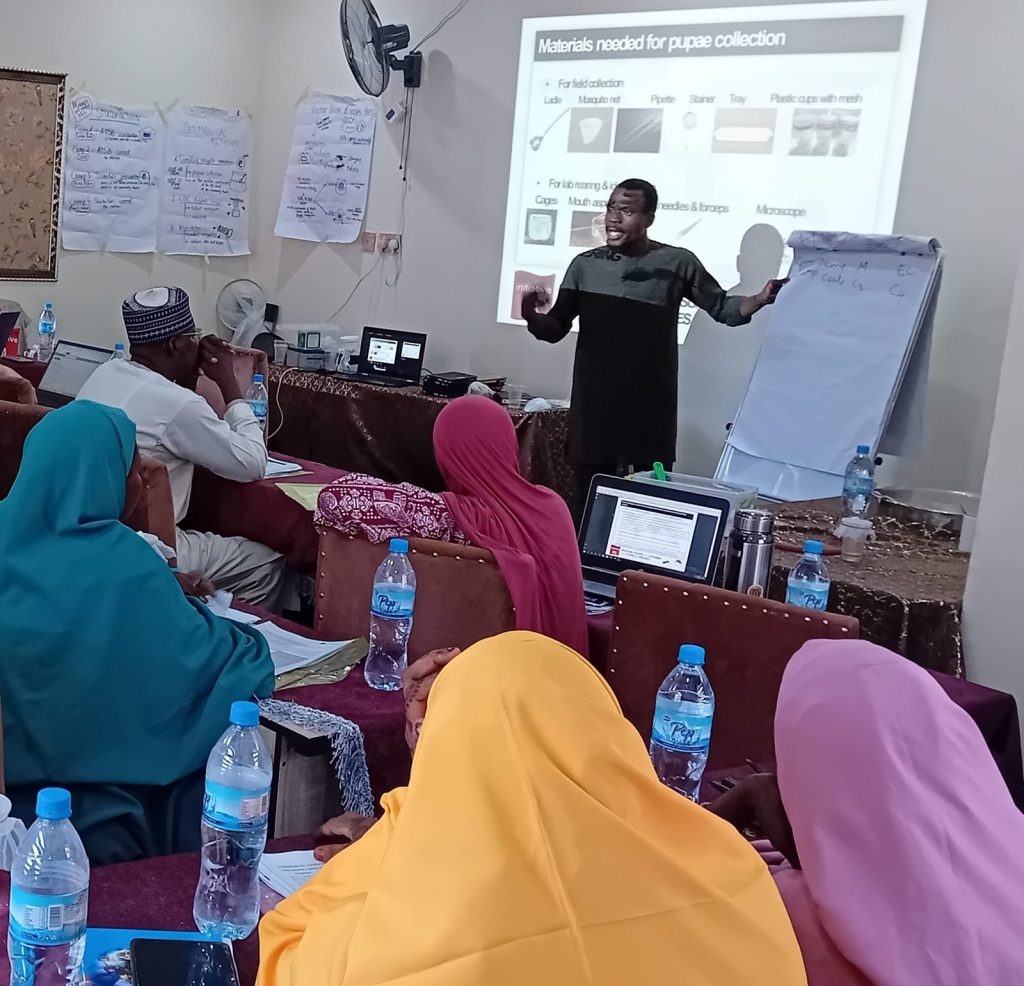
A new field evaluation trial in Internally Displaced Person camps in Borno State will evaluate the effectiveness of two vector control products on the Aedes mosquito, which transmits diseases such as dengue, chikungunya and yellow fever. Communities living in IDP camps in northeast Nigeria face a high risk from these diseases because of the high […]
Malaria control in Borno State, Nigeria
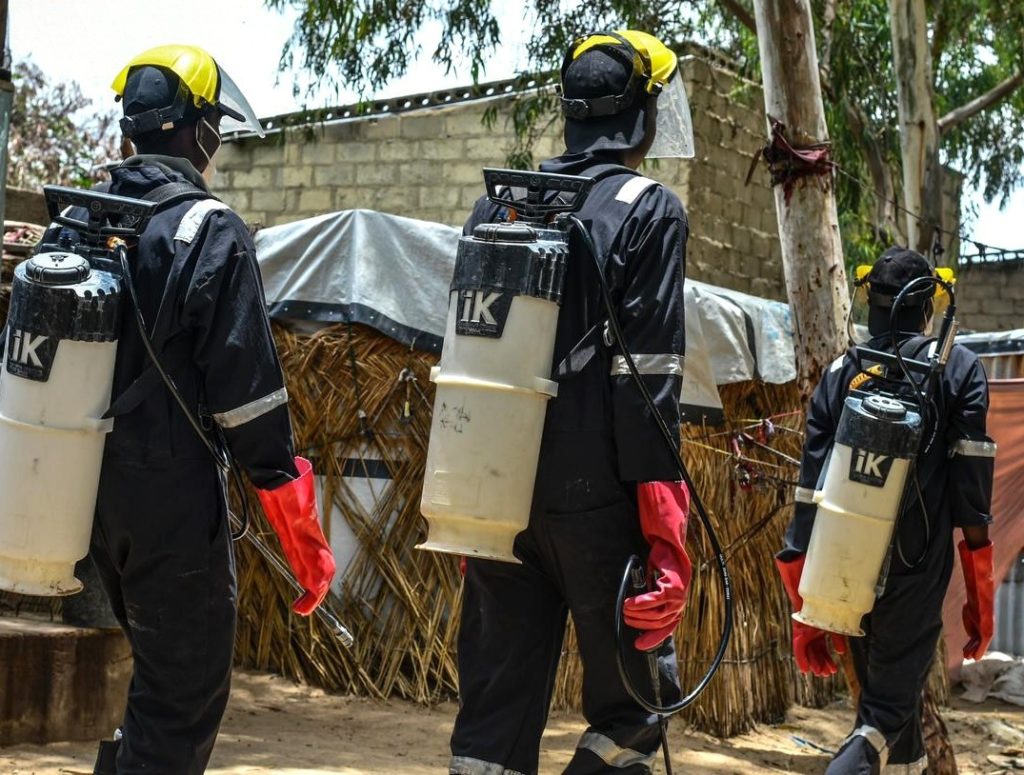
The annual indoor residual spray campaign recently begun in communities affected by conflict in Borno State, Nigeria, addressing the high rates of malaria and the worsening health crisis in the region. Malaria is one of the leading causes of morbidity and mortality in Nigeria with year-round transmission and seasonal peaks experienced during the rainy season. […]
Nfornuh Alenwi

New study of spatial repellent in Borno State, Nigeria
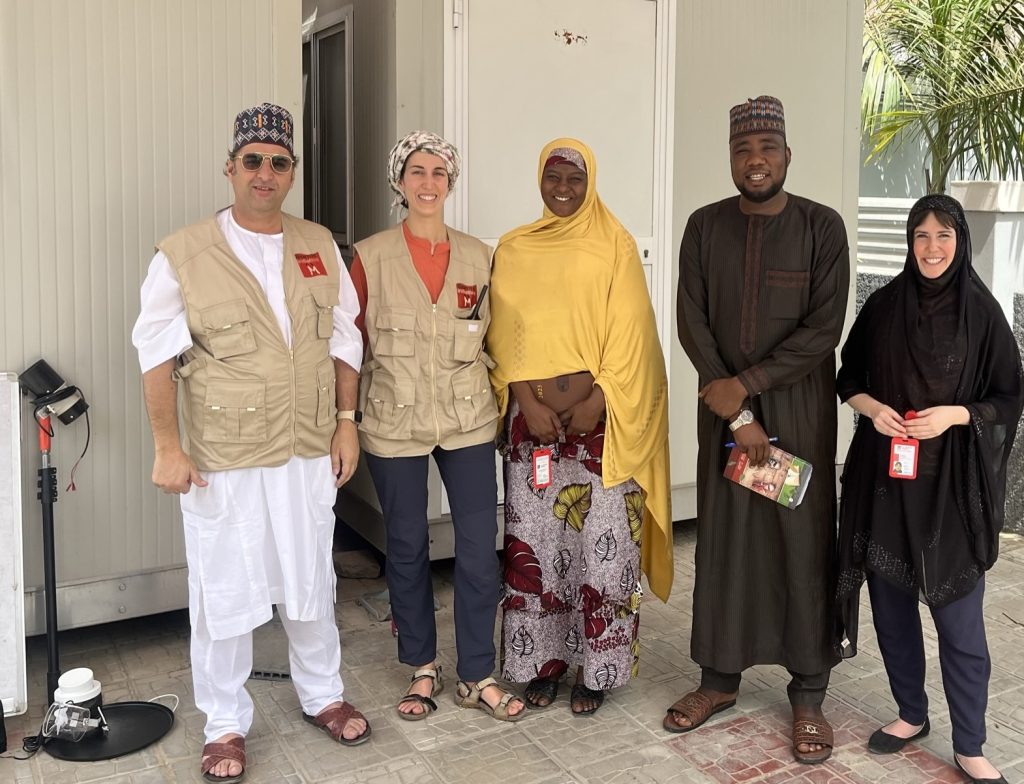
MENTOR’s operational research team recently met with leaders of internally displaced persons (IDP) camps in Borno State, Nigeria, in preparation for the upcoming study of novel spatial repellent ‘Mesh’. Joined by officers from the Ministry of Health, the team are engaging closely with community leaders and relevant local authorities at this first stage, to secure […]
Large-scale Indoor Residual Spraying campaign has begun in Borno, Nigeria
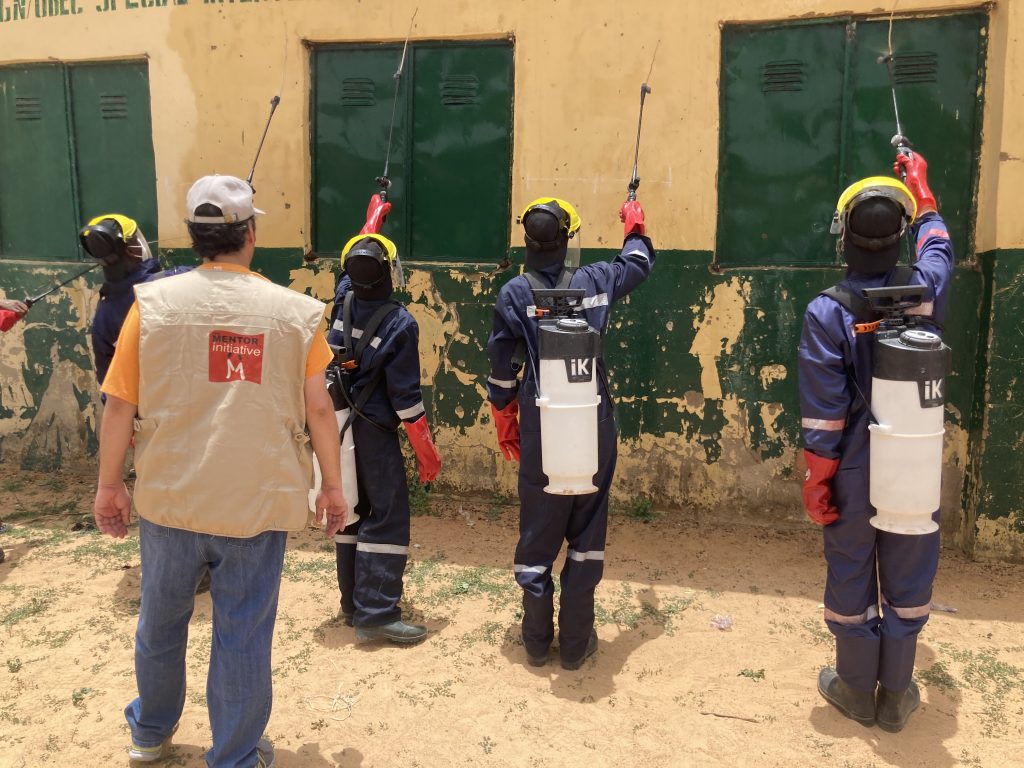
(May 2022) The MENTOR Initiative’s latest Indoor Residual Spraying (IRS) programme is underway in Borno State, Nigeria, where malaria is the number one cause of morbidity and death. This is the second year of this large-scale spraying programme to protect around 400,000 people in camps and communities in the region ahead of the rainy season. […]
Nigeria
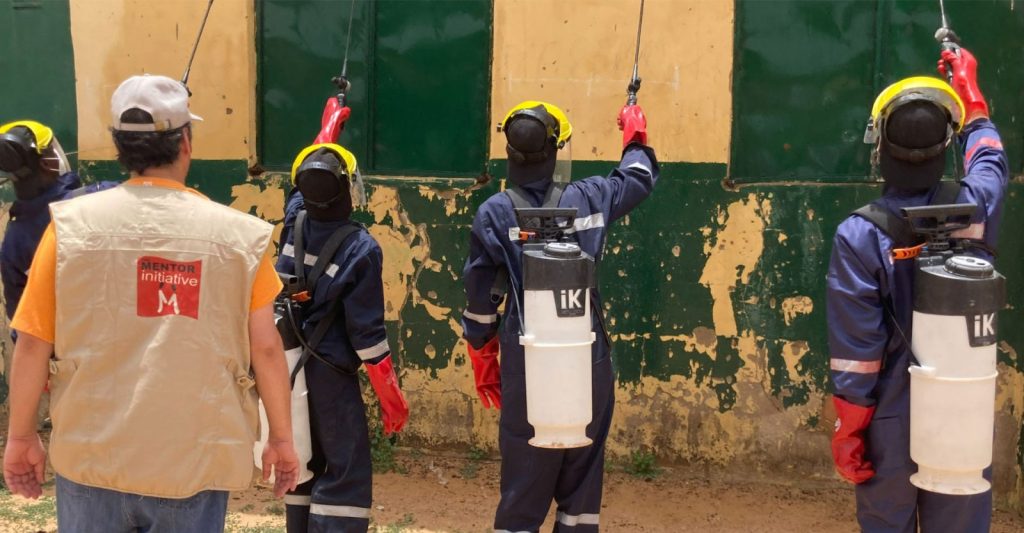
Country Programme Nigeria is heavily affected by the presence of Islamist insurgency groups, predominantly Boko Haram and the Islamic State in West Africa Province (ISWAP). More than 2.3 million people have been internally displaced since the groups started infiltrating several states and the Nigerian government started to fight back. Some parts of the country are […]
Reporting the Impact of Indoor Spraying & Education Campaign in Nigeria
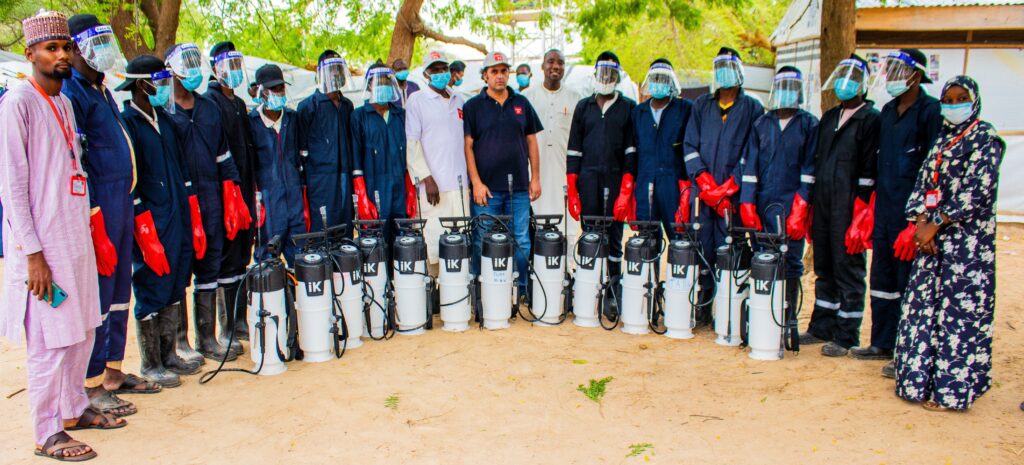
In Borno State, Nigeria, malaria is the number one cause of morbidity and mortality, with peak disease burden during and immediately following the rainy season. Reported cases of malaria in Borno State increased by almost 10% from 279,389 in 2019 to 307,175 in 2020. While endemic, it is also clear from that malaria morbidity is most significantly experienced during the rainy season from July-September in Borno State. Fresh surface water from rainfall creates breeding grounds for the anopheles malaria vector, causing these spikes in recorded malaria rates. Transmission continues to increase annually, highlighting the urgent need for intervention.