New malaria-control tool protects communities in Borno State
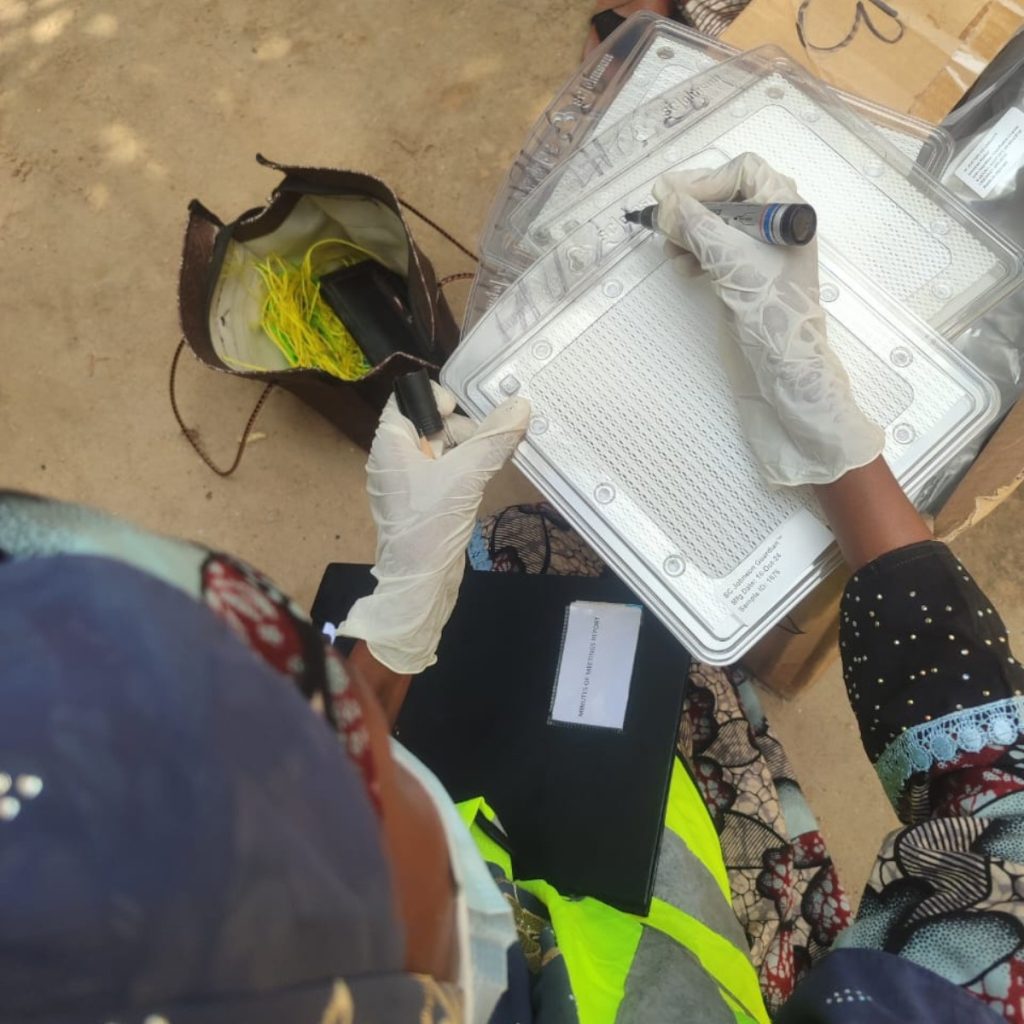
Over 31,000 Guardian™ spatial emanators were distributed to households in Borno State, Nigeria protecting around 42,000 people at high risk of malaria. An effective community engagement strategy ensured 100% acceptance from 7,745 households. In Nigeria, malaria remains one of the leading causes of morbidity and mortality, accounting for the highest malaria burden globally. Approximately 24.3% […]
The effectiveness of long-lasting spatial repellent emanators against malaria in humanitarian crisis settings in northern Nigeria: a two-arm pragmatic, open-label, controlled trial
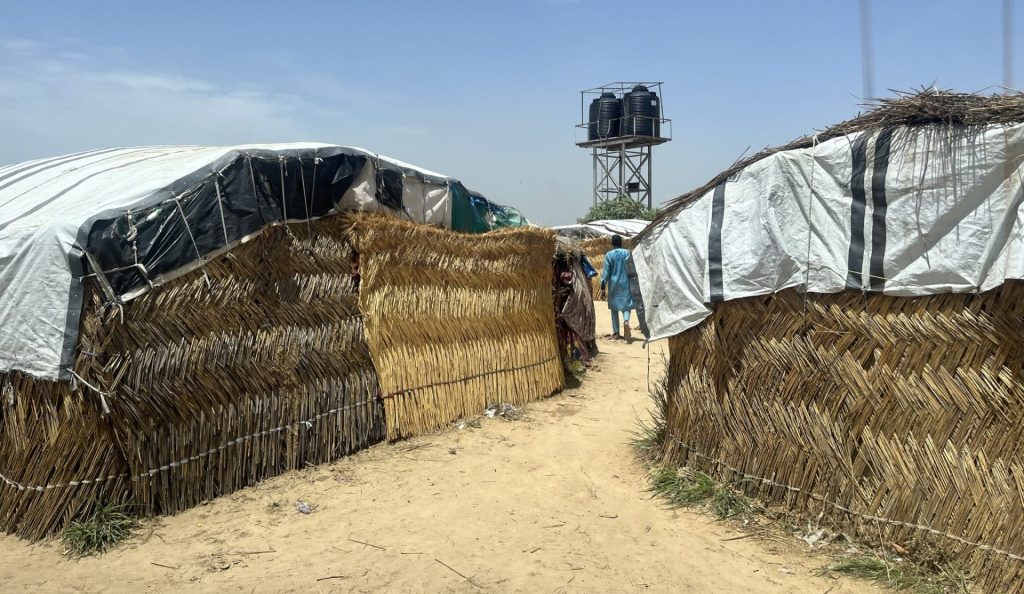
A 6-month, open-label, controlled trial examining whether spatial emanators could effectively reduce malaria transmission among internally displaced people in northern Nigeria during a humanitarian crisis. Setting and design: N.B in this case Spatial Emanators were distributed on top of residual LLINs. Prior to distribution all study participants received an appropriate course of ACT to clear […]
Study of spatial emanator published in The Lancet
Results from the field trial of Guardian™ spatial repellent emanator have been published in the Lancet Infectious Diseases, which adds to the growing evidence for the use of this vector control tool in humanitarian settings. MENTOR has for many years led the piloting and testing of innovative tools to protect people and prevent diseases in […]
Larviciding at mosquito breeding sites reduces risk of malaria in Maiduguri
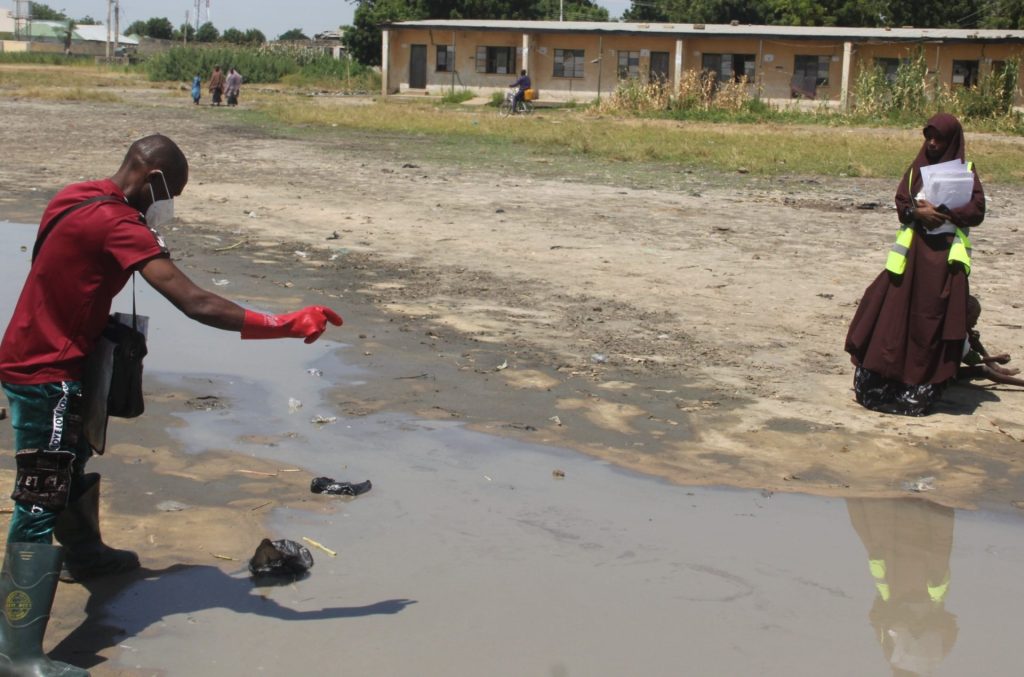
In Goni Damgari, Maiduguri, malaria remains a major public health challenge with mosquitoes thriving in open breeding sites – especially during the rainy season. To address the high risk of malaria in the region, MENTOR supported the Borno Ministry of Health and State Malaria Elimination Programme to implement vector control activities over four months in […]
Mobile health services improve access to healthcare in northern Nigeria
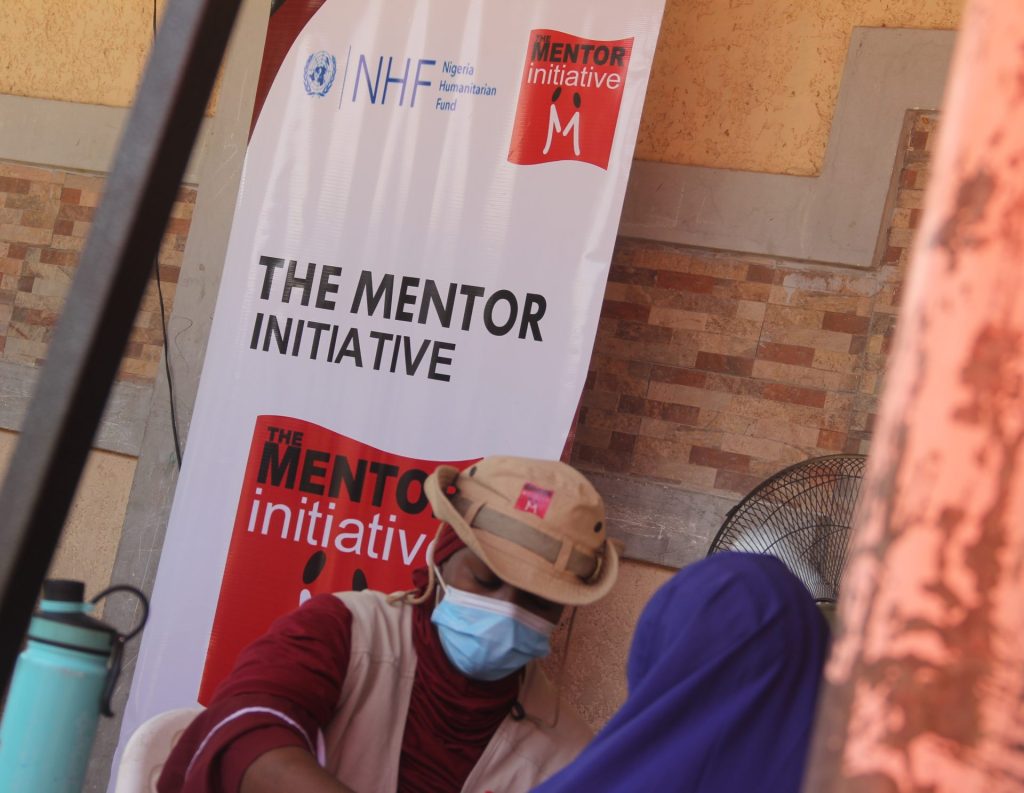
MENTOR is supporting primary healthcare and mobile health services with integrated malaria, WASH and nutrition activities in two communities in Maiduguri, northern Nigeria. Funded by the Nigerian Humanitarian Fund (OCHA), the life-saving programme aims to reach 90,000 people living in internally displaced camps and host populations with improved healthcare, nutrition support, reproductive health, and disease […]
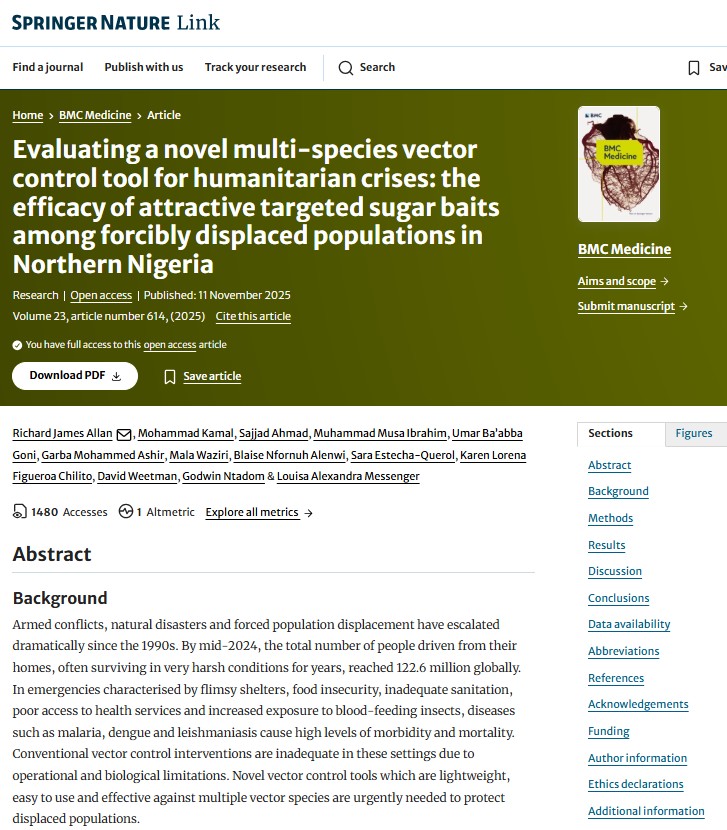
Evaluating a novel multi-species vector control tool for humanitarian crises: the efficacy of attractive targeted sugar baits among forcibly displaced populations in Northern Nigeria
WHO recommends new vector control tools for malaria
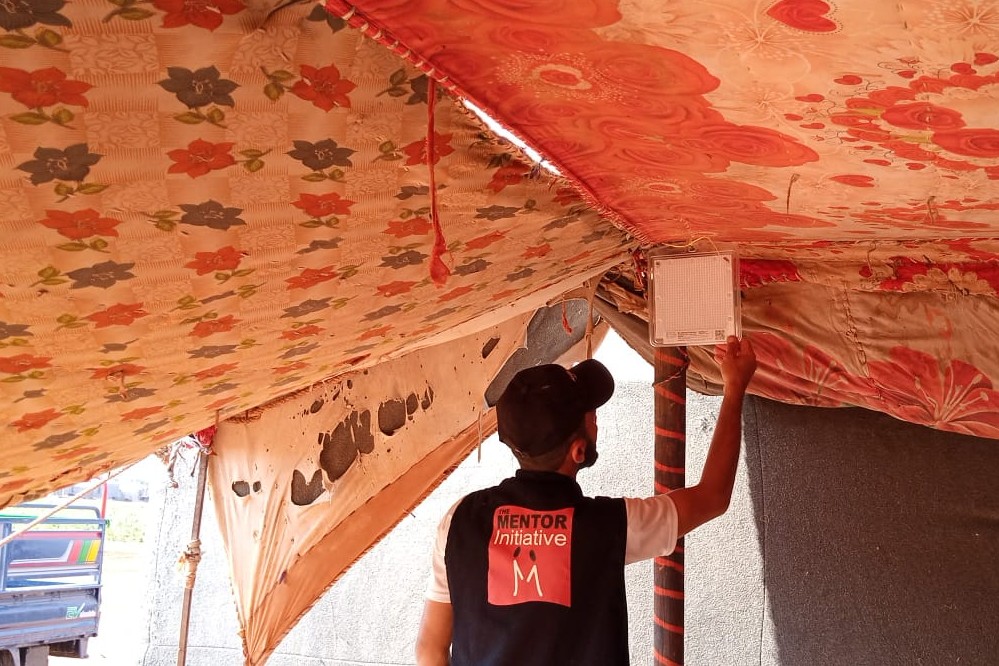
The World Health Organization has issued a new recommendation for the use of spatial repellents, an innovative vector control tool for the control of malaria. This new class of spatial emanators emit transfluthrin into the air repelling and killing mosquitoes whilst being safe for people. WHO’s prequalification of SC Johnson’s Shield and Guardian spatial repellents […]
Indoor residual spraying addresses high rates of malaria in northern Nigeria
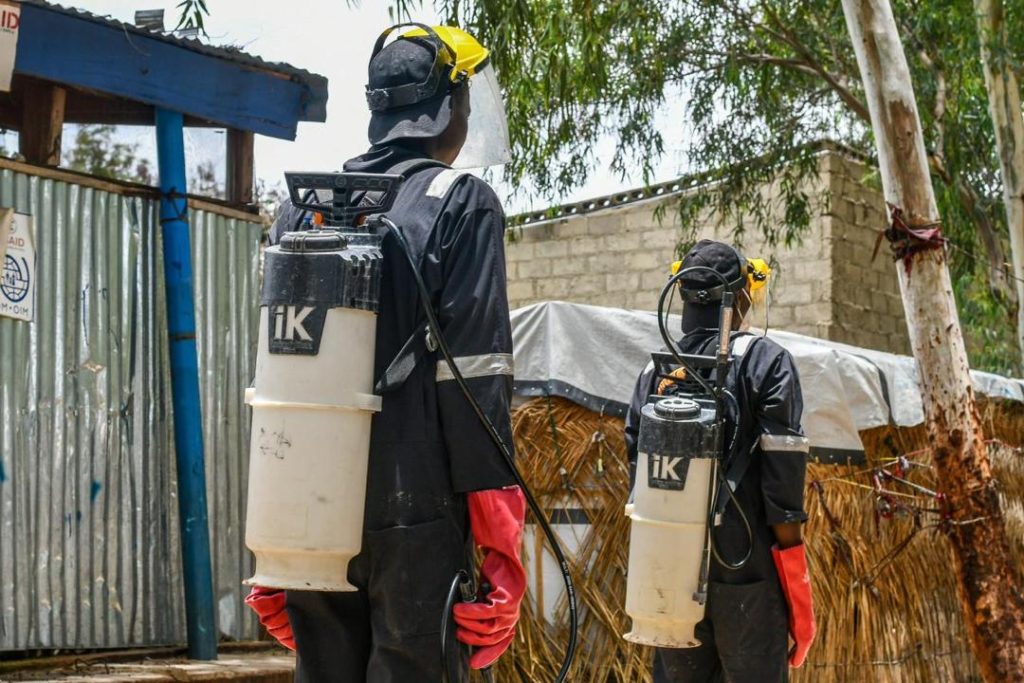
“After the flood disaster there were a lot of insects, especially the mosquitoes which really increased. Since MENTOR sprayed insecticide inside our houses there are no mosquitoes nor other insects.” – Aisha Muhammad, Bollori 2 ward, Maiduguri. In February, an indoor residual spraying campaign in flood-affected northern Nigeria was carried out to protect over 44,000 […]
Critical healthcare support after flooding in northern Nigeria last year
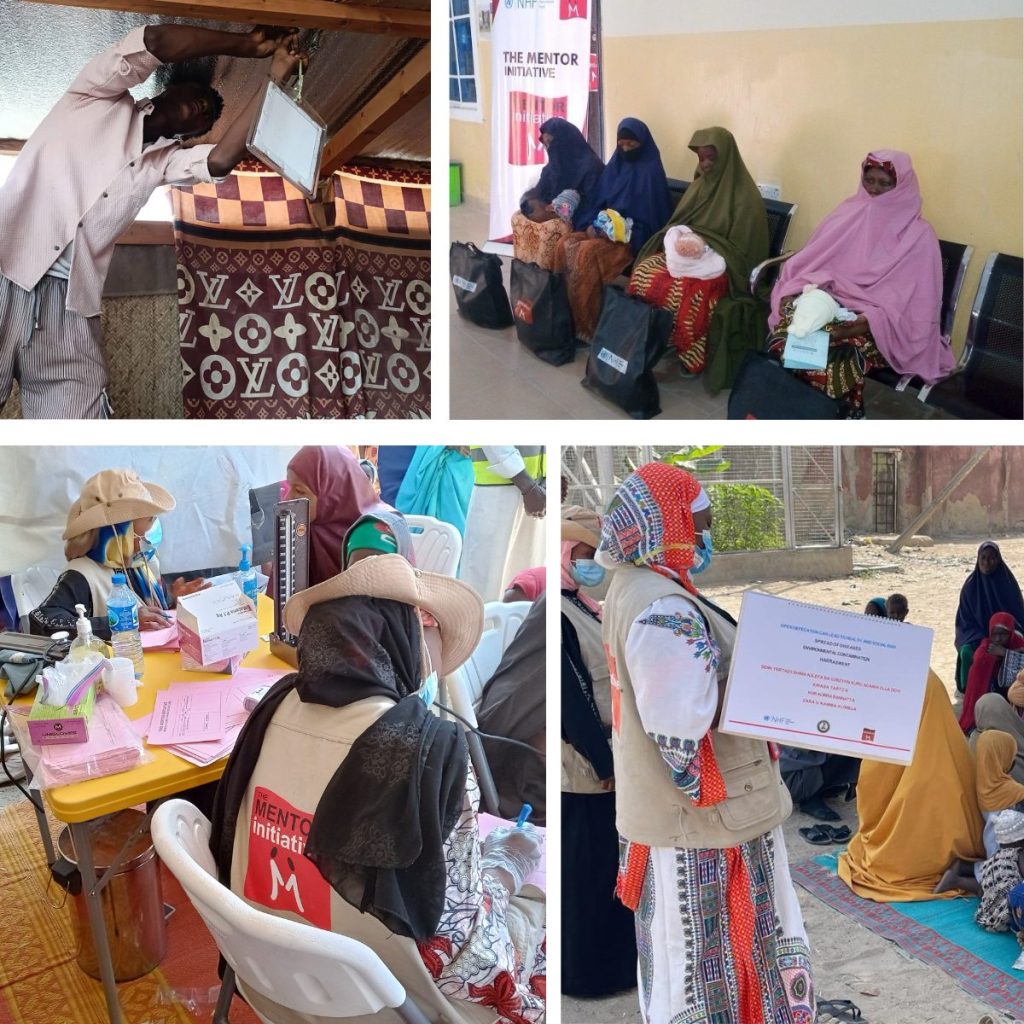
MENTOR continues to provide critical services and strengthen health systems in Maiduguri, Nigeria after flooding last year caused widespread damage to healthcare facilities, schools and other infrastructure, and the displacement of close to 400,000 people. The severe flooding impacted communities already struggling from the socio-economic crisis in the region, high rates of diseases and malnutrition, […]
Annual meeting for global tropical research, 13 to 17 November 2024
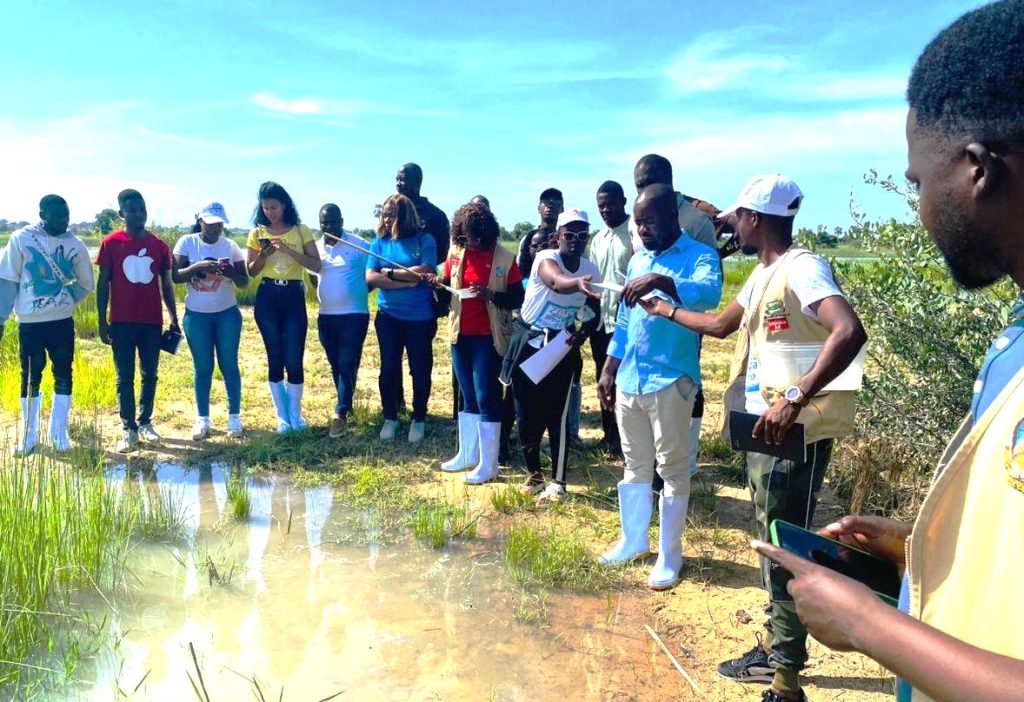
The MENTOR Initiative is back at the American Society of Tropical Medicine and Hygiene (ASTMH) annual meeting sharing insights from our programmes and learning from important research from across the world on tropical diseases management. MENTOR is once again presenting research on a range of topics aimed at showcasing our work in some of the […]