MENTOR CEO calls for the approval of innovative vector tools to protect against multiple vectors
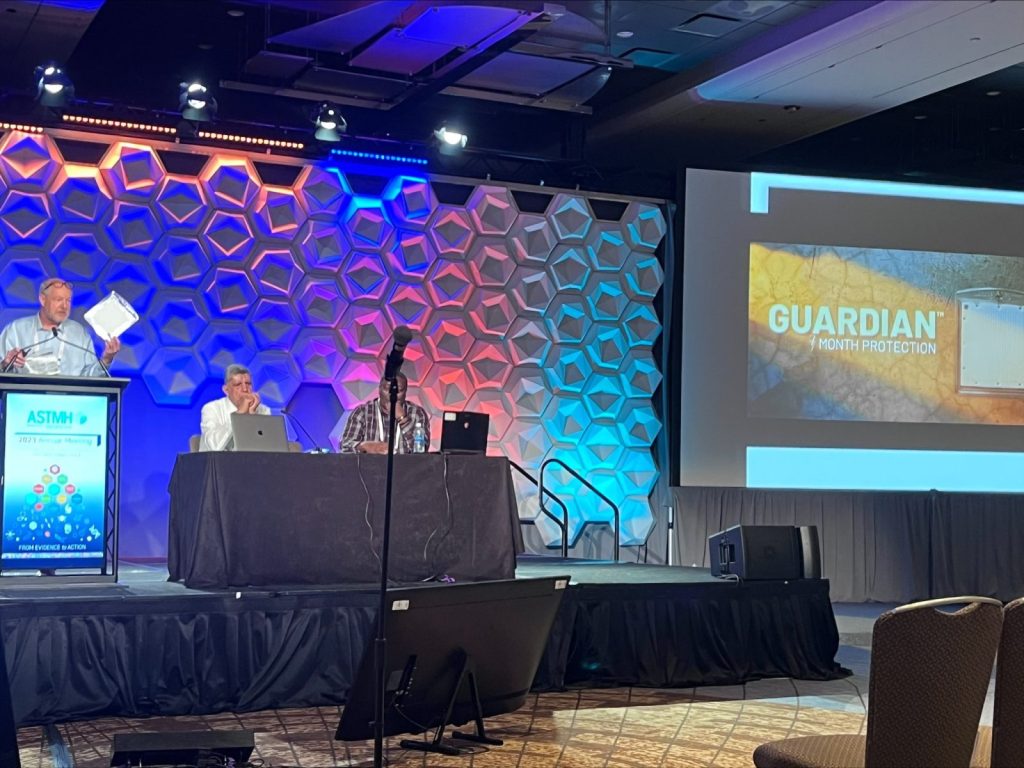
“We urgently need new disease control tools approved to effectively protect people from multiple disease-carrying vectors,” said Richard Allan during his talk at American Society of Tropical Medicine and Hygiene (ASTMH) last week where he presented the results from the trial of SC Johnson innovative spatial repellent, Guardian. The presentation was titled: Gaining control of invasive urban disease vectors: First […]
Handwashing stations to prevent diseases in South Sudan
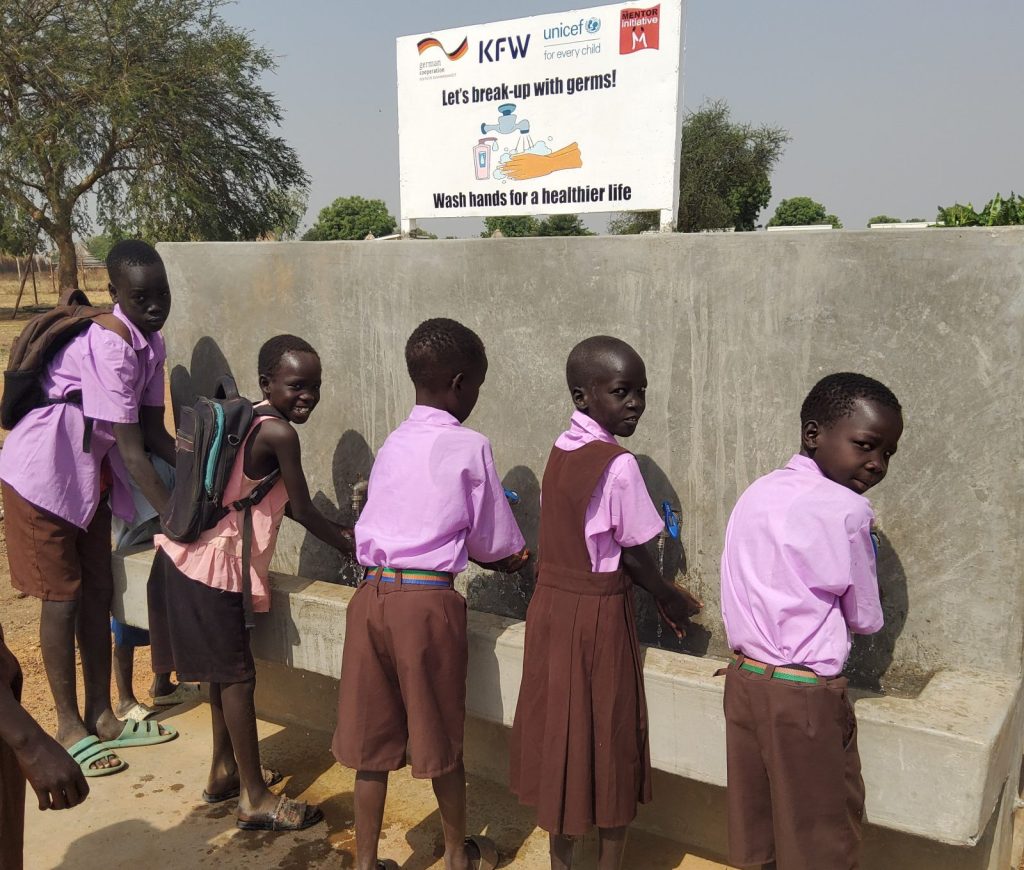
New handwashing stations in schools and health facilities are helping to prevent diarrhoeal and respiratory diseases in South Sudan, ensuring children stay healthy and don’t miss school. 24 hand washing stations have been successfully installed so far this year, improving access to handwashing and soap for around 7,000 children. These are on top of 5 […]
Annual Report 2022/23
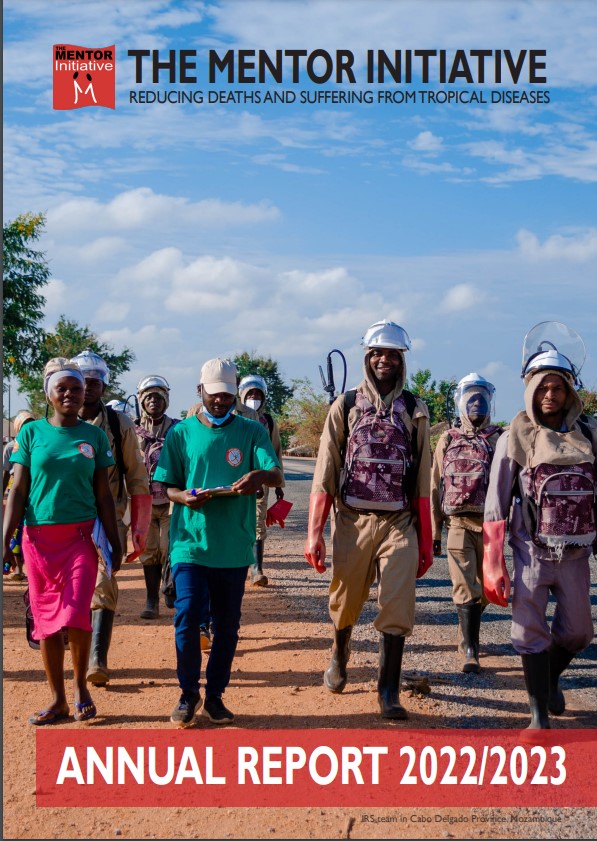
MENTOR is happy to introduce our 2022/23 Annual Report, featuring stories from a year of programmes delivered across nine counties by our dedicated and committed team. In the report we meet some of the team who work in complex settings to prevent diseases, protect people, and improve access to healthcare in places with the highest […]
How malaria surveillance is maintaining low transmission rates in Angola

There is a serious risk of low malaria transmission in southern Angola reverting back to previous high rates if progress made in case management and surveillance is not maintained. A reduction in activities also puts malaria elimination efforts in neighbouring countries at risk. MENTOR began supporting National Malaria Control Programme (NMCP) and local governments in […]
World Mosquito Day
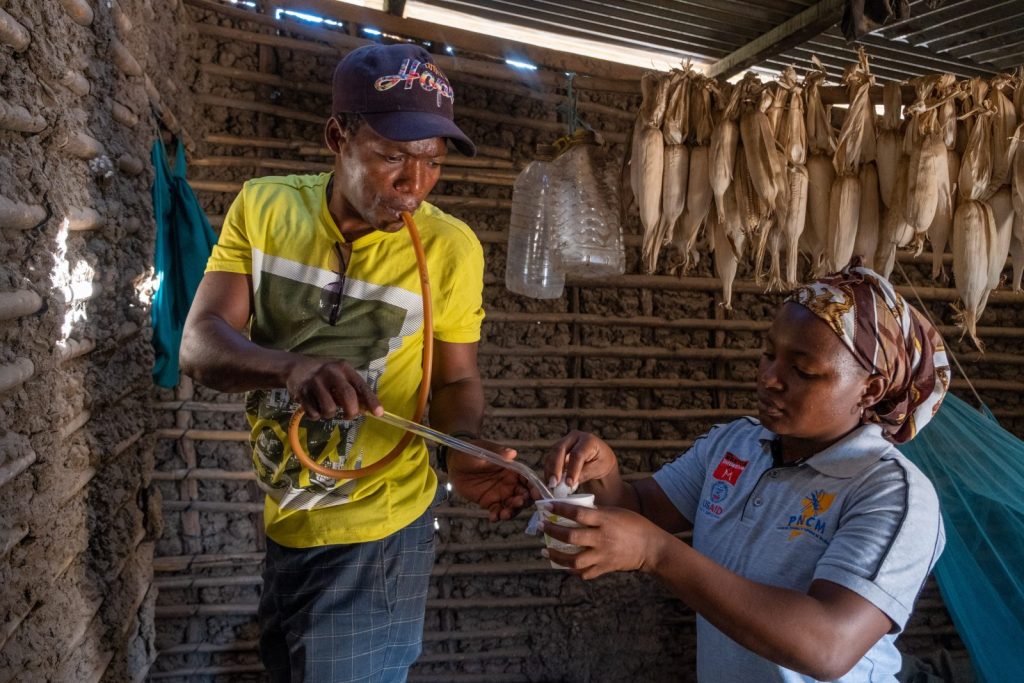
“The entomological monitoring of mosquito behaviour is critical to reduce deaths and suffering from the diseases they transmit,” says Mohammad Kamal, MENTOR Research Coordinator in Yemen speaking on World Mosquito Day (20 August).“Regular surveillance of the world’s deadliest animal, which spread diseases such as malaria and dengue, ensure MENTOR programmes make the most impact and […]
Refresher training for community health workers in northern Mozambique

The MENTOR team in Mozambique has been delivering refresher training to health teams and technicians over the past few weeks, in partnership with the Provincial Health Directorate in Cabo Delgado Province. The APS refresher training and the subsequent technical support they will receive is essential to improve access to quality health care for people in […]
NTD prevention in South Sudan
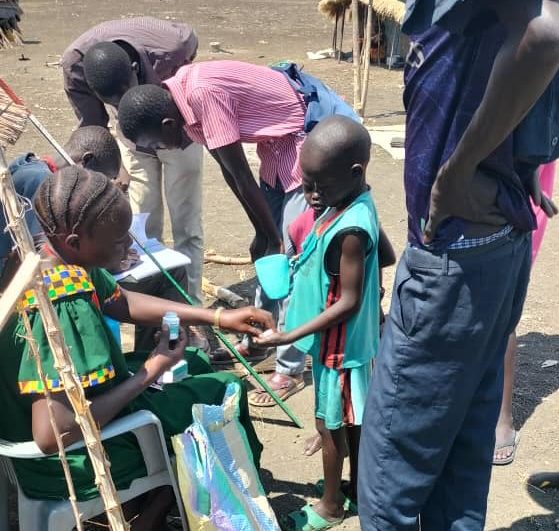
A mass drug administration (MDA) campaign targeting onchocerciasis (also known as ‘river blindness’) and lymphatic filariasis began in South Sudan earlier this month. These two Neglected Tropical Diseases (NTDs) are among the five endemic NTDs that respond to Preventive Chemotherapy (PC-NTDs). MENTOR and the NTD Department of the South Sudanese Ministry of Health are delivering […]
Malaria behaviour study in Angola
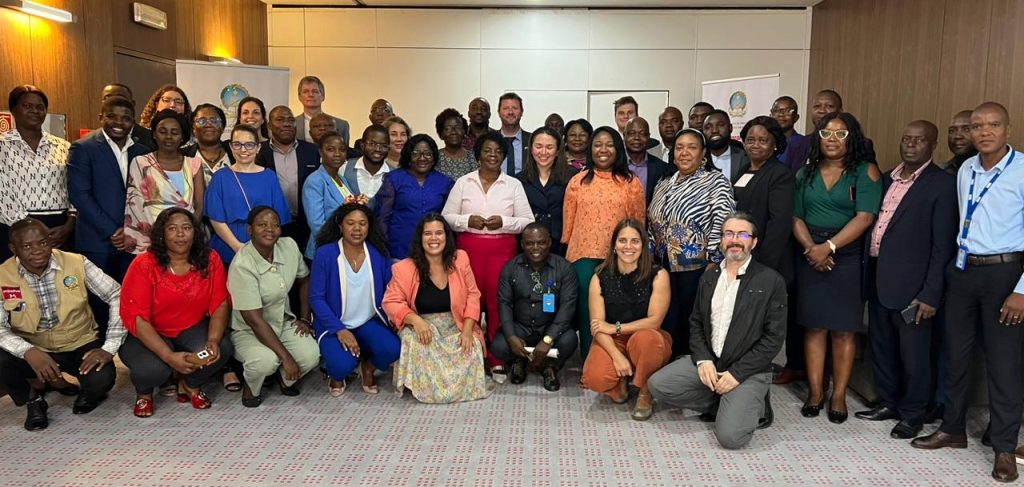
The National Malaria Control Program (NMCP) of Angola and Breakthrough ACTION project led a meeting recently to discuss the initial results from a Malaria Behaviour Survey conducted in three provinces between March and April 2023. The survey aims to understand the behaviours and perceptions of the general population towards malaria prevention, treatment, risks, and consequences. […]
Dengue control in Venezuela
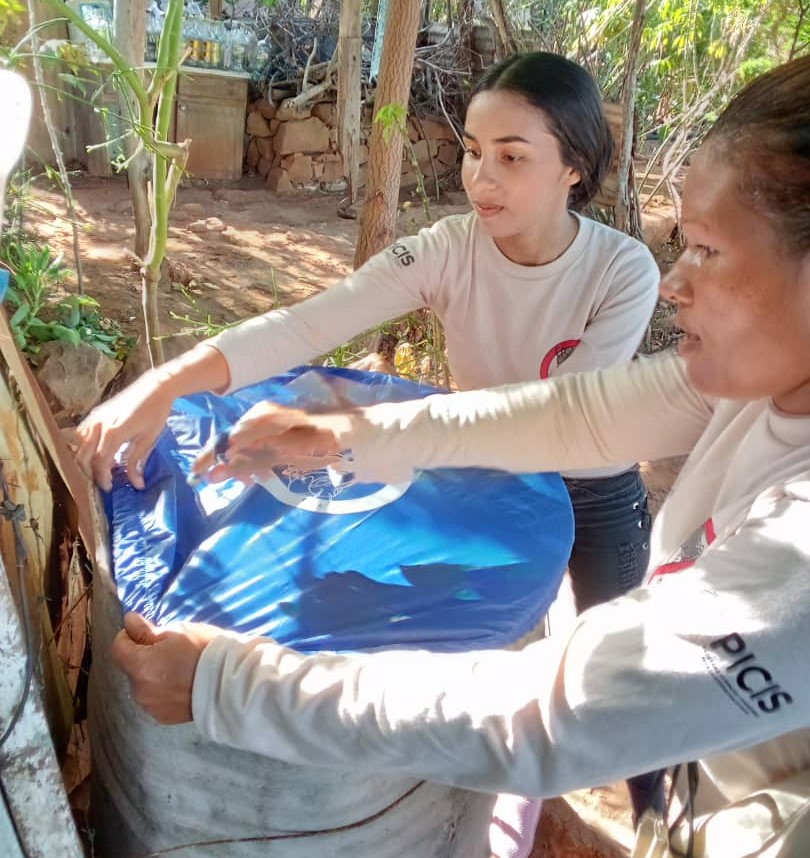
Poor sanitary conditions caused by the ongoing economic and political crisis in Venezuela have exacerbated the rapid spread of dengue fever in urban settings. This puts many people at risk from this dangerous arboviral disease, which infects an estimated 100-400 million people every year (source: WHO). The Aedes mosquito that transmits dengue breeds easily in […]
New study of spatial repellent in Borno State, Nigeria
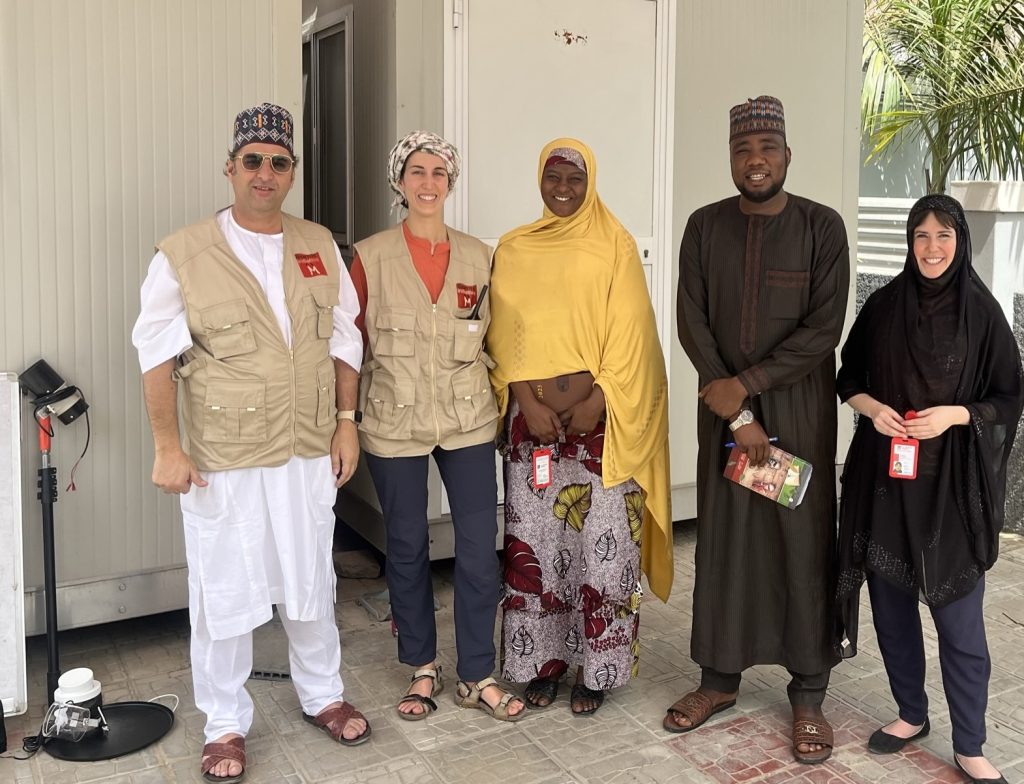
MENTOR’s operational research team recently met with leaders of internally displaced persons (IDP) camps in Borno State, Nigeria, in preparation for the upcoming study of novel spatial repellent ‘Mesh’. Joined by officers from the Ministry of Health, the team are engaging closely with community leaders and relevant local authorities at this first stage, to secure […]