IRS campaign protects over half a million people from leishmaniasis
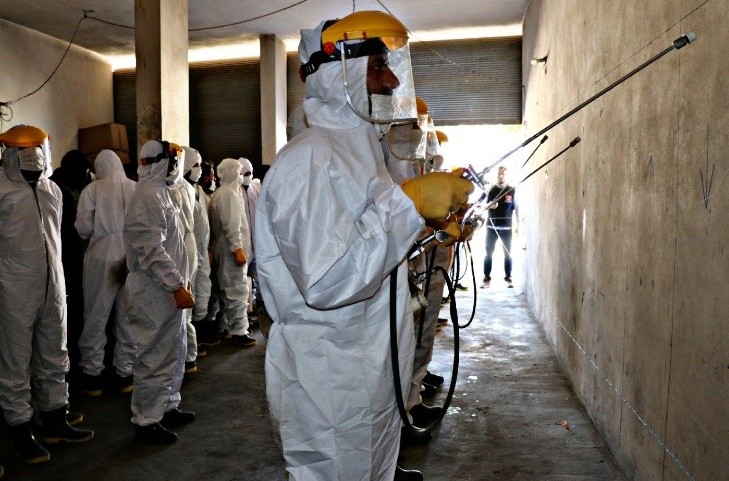
A recent large-scale indoor residual spray campaign across 39 villages and 23 camps in Syria reached over half a million people at high risk of the neglected tropical disease leishmaniasis. MENTOR delivered the campaign between June and July spraying over 95,000 homes and 7,898 tents to help reduce the number of disease-transmitting sandflies and create […]
Training to reduce breeding sites and risk of diseases in earthquake-affected Venezuela
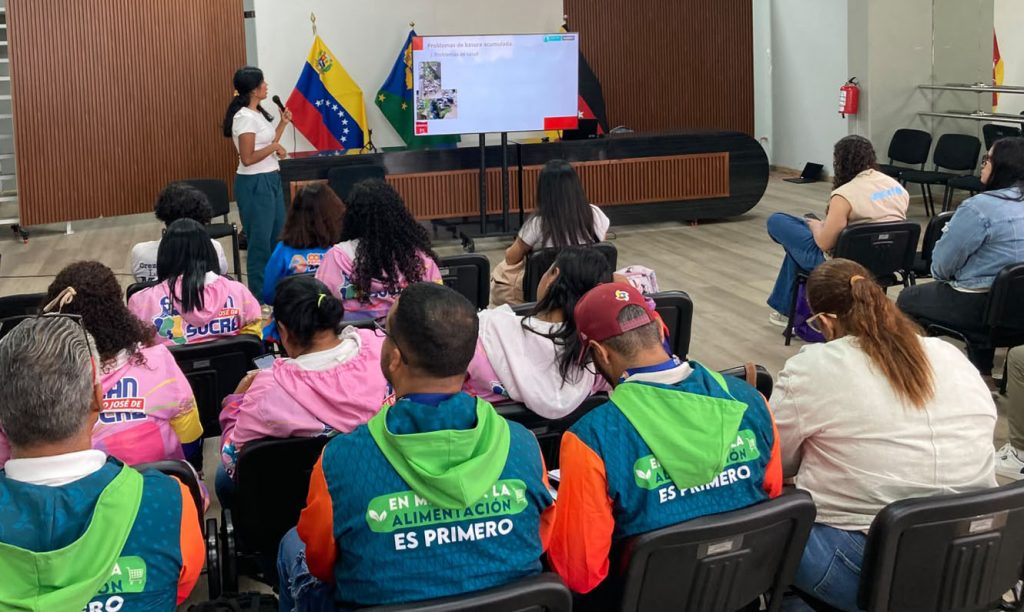
Last Friday, MENTOR delivered training on reducing vector breeding sites and the risk of diseases for shelter managers in Miranda State where people affected by the earthquakes are temporarily living. The training focused on how community awareness and engagement are key to prevent the spread of infectious diseases in emergency settings. MENTOR and the WASH […]
World Dengue Day
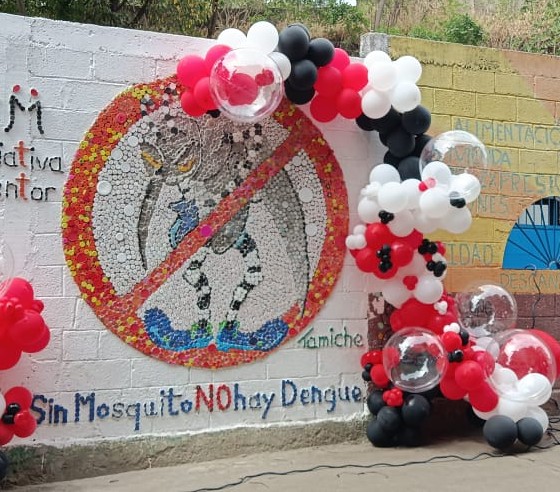
Urgent action is needed to stop the spread of dengue – especially in humanitarian settings where inadequate waste management and poor sanitation increase the risk of transmission. This World Dengue Day we are calling for sustained, resourced programmes integrating vector control; water, sanitation and hygiene; and community-based healthcare to reduce the suffering caused by dengue […]
Nets donated to address rising rates of cutaneous leishmaniasis in Syria
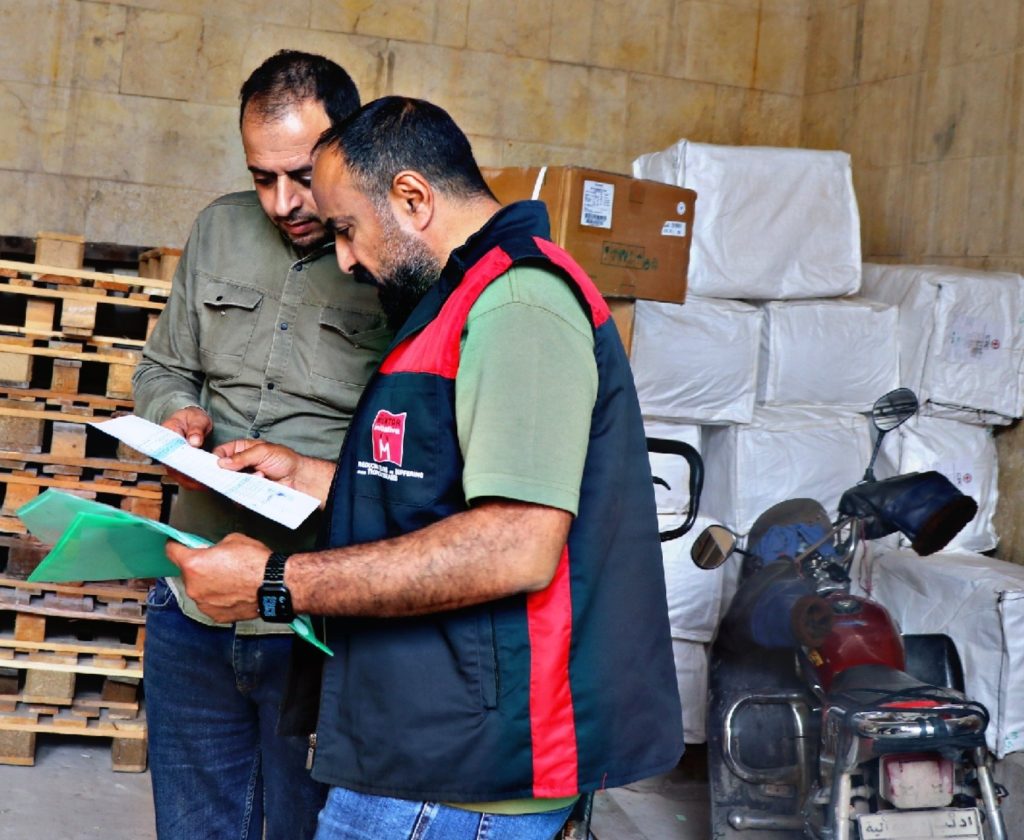
MENTOR recently donated 2,728 long-lasting insecticidal nets to the Idleb Health Directorate, Syria to address the sharp increase in cutaneous leishmaniasis. Monthly reported cases have risen from around 2,500 to more than 5,000 in recent months. Southern Idleb remains among the most affected areas, particularly Ma’aret Al-Numan and Khan Shaykhun, where 2,628 new cases were […]
Neglected Tropical Diseases in conflict and humanitarian settings
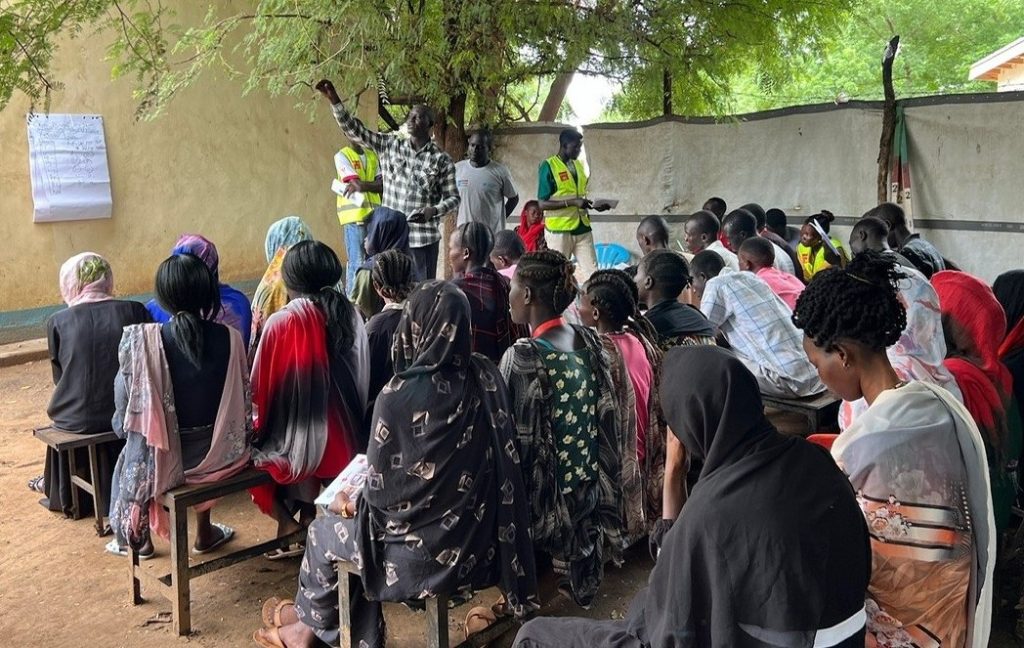
A special issue focused on Neglected Tropical Diseases (NTDs) in conflict and humanitarian settings has just been published in the International Health Journal. This collection brings together scientific articles, a systematic review, and case studies from countries including South Sudan, the Democratic Republic of Congo and Haiti, highlighting both the challenges and opportunities for NTD […]
Project Brief: Strengthening vector-borne disease control and community health resilience in northern Syria
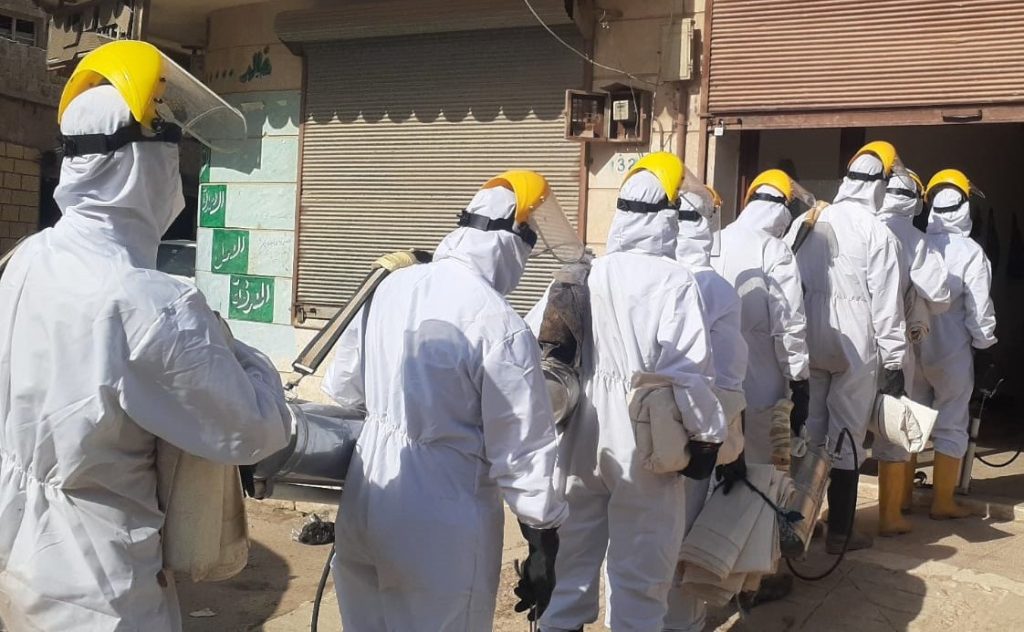
Vector-borne diseases, particularly cutaneous and visceral leishmaniasis, remain a critical public health threat in northern Syria due to conflict, displacement, weakened health systems, and poor environmental conditions.In the first half of 2025, over 6,000 cutaneous and 22 visceral leishmaniasis cases were reported in MENTOR-supported facilities, with the highest burden in Aleppo and Idleb governorates. People […]
Needs assessment in Ar-Raqqa to address health crisis
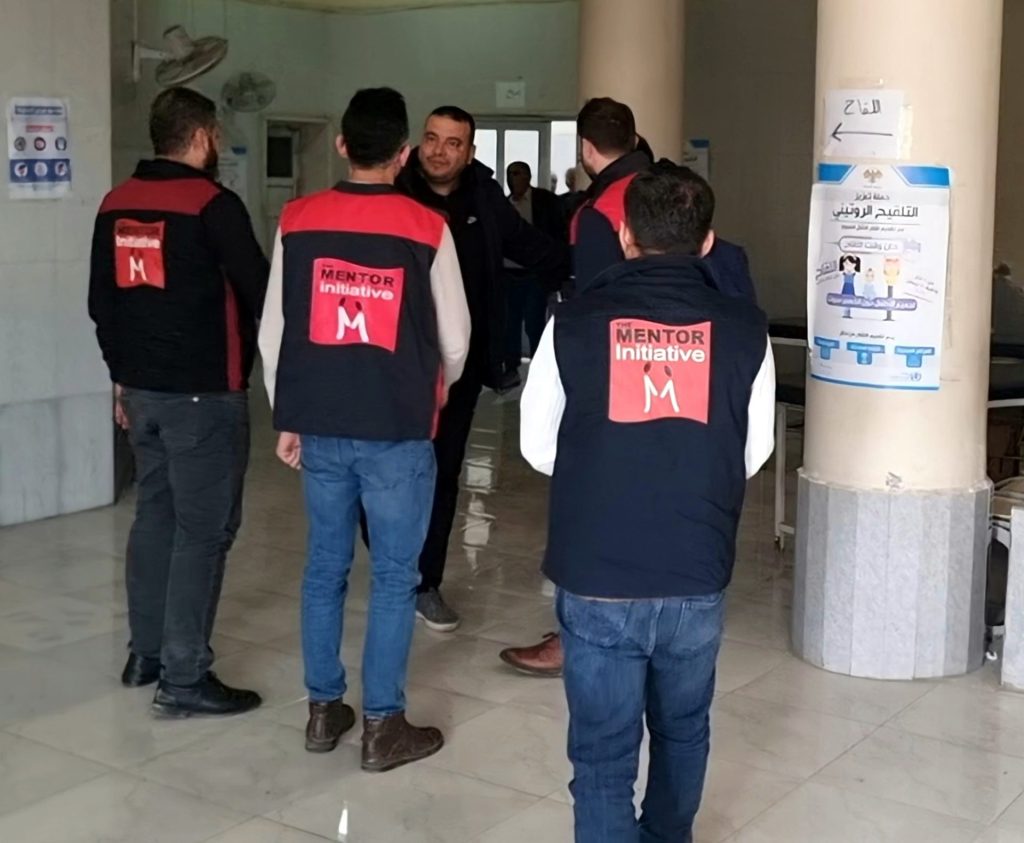
It is a critical time in Northeast Syria which is facing rising cases of diseases such as leishmaniasis, an endemic neglected tropical disease, alongside reduced healthcare services and resources because of funding cuts. A MENTOR team recently carried out an assessment in Ar-Raqqa Governorate to evaluate the situation and better understand the needs. The visit […]
Humanitarian Networks and Partnership Week
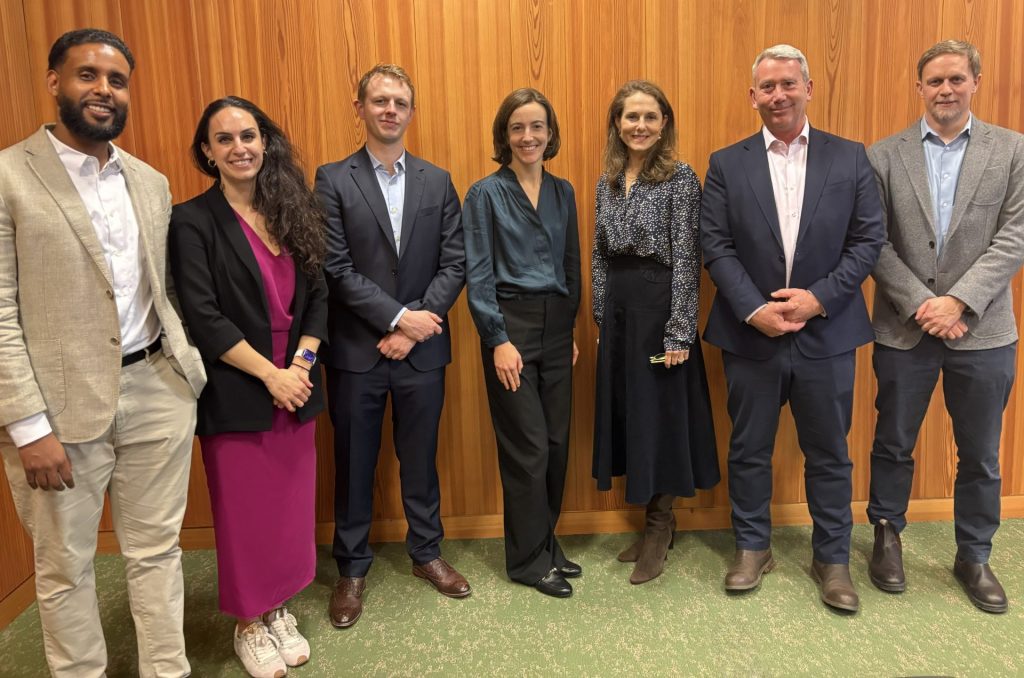
MENTOR was delighted to join the panel discussing scaling health innovations in emergencies at the Humanitarian Networks and Partnerships Weeks – HNPW in Geneva on Tuesday (10 March). Led by Creating Hope in Conflict: a Humanitarian Grand Challenge and Gray Dot Catalyst, the session focused on how building value networks to scale up innovations is […]
World NTD Day 2026
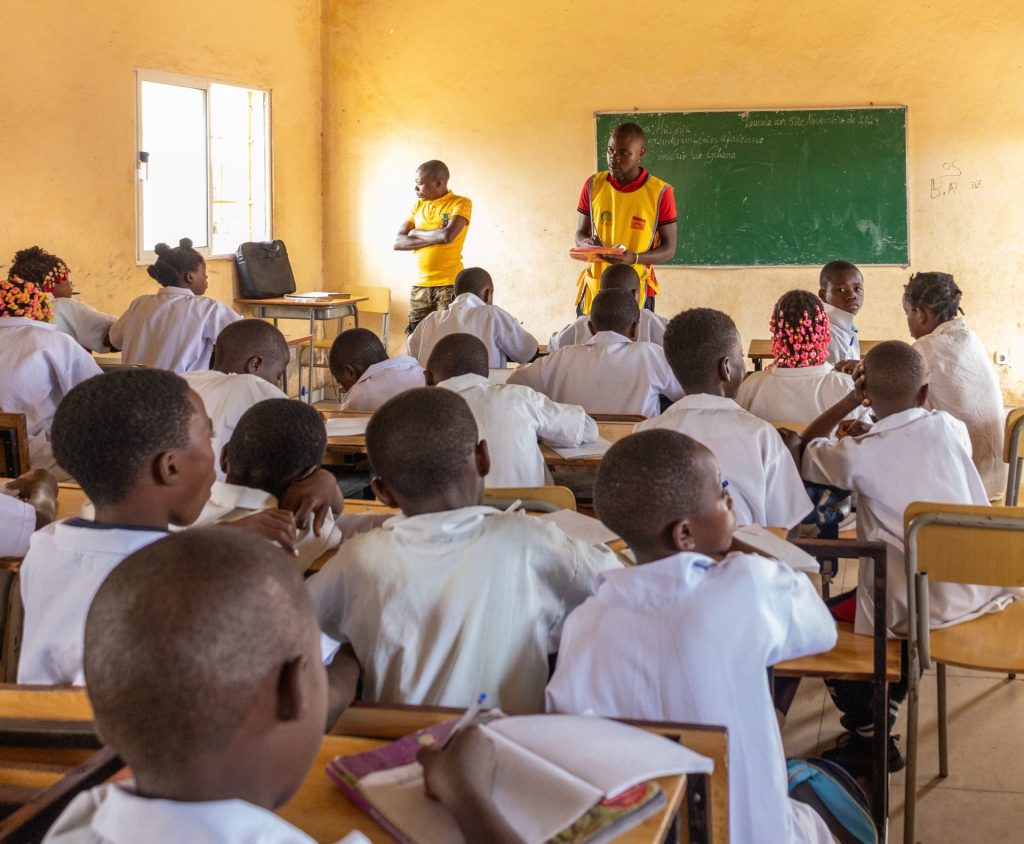
In 2025 MENTOR programme teams supported the delivery of essential treatments and vector control, and helped strengthen health systems, to address the high risk of neglected tropical diseases in South Sudan, Syria and Angola. They overcame significant challenges to reach communities cut off by flooding, affected by conflict, far from health services, or displaced, to […]
NTD control in Syria
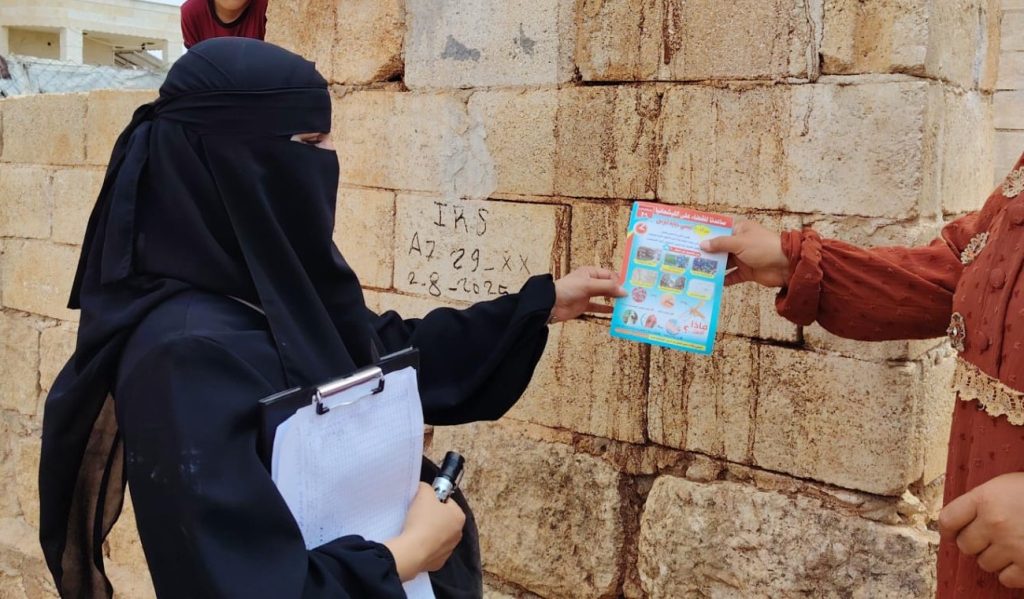
Over 93,000 homes and 51,600 temporary shelters across Aleppo and Idleb Governorates were sprayed with WHO-approved insecticide to address the high threat of cutaneous leishmaniasis in the region. MENTOR carried out the large-scale Indoor Residual Spraying (IRS) campaign in northwest Syria between May and September 2025 to protect more than 799,000 people, including many that have […]