Neglected Tropical Diseases (NTDs), particularly leishmaniasis, continue to pose a significant public health challenge in Syria disproportionately affecting vulnerable and hard-to-reach communities. Years of protracted conflict have further weakened the health system, limiting access to services for NTDs.
For more than 14 years, The MENTOR Initiative has played a central role in the national leishmaniasis response through large-scale Indoor Residual Spraying (IRS) campaigns in the most affected areas, alongside diagnosis, treatment and follow-up services.
As Syria enters a new phase, and health system gaps become more evident, MENTOR has increasingly focused on moving beyond emergency-driven interventions toward integrated and sustainable system-strengthening approaches that ensure long-term recovery.
Vector-Borne Disease Units
Since June 2025, MENTOR introduced Vector-Borne Disease Units (VBDUs) as part of a broader health system strengthening strategy.
These efforts were complemented by Indoor Residual Spray campaigns in high-risk and heavily affected areas such as Internally Displaced Person camps. IRS remains a core vector control intervention, helping to reduce sandfly populations, limit disease transmission and protect people in vulnerable settings.
Five VBD Units have been established and are operational in Idleb, Azaz, Menbij, Atareb, and Southern Idleb, in close coordination with Health Directorates and partner organisations serving areas where there is a high risk of leishmaniasis.
These units are a hub for comprehensive leishmaniasis case management, while also providing technical guidance and logistical support to surrounding health facilities operated by other partners.
Awareness, prevention and vector control
Community awareness and prevention activities are key to VBDUs and primarily delivered through trained Community Health Workers (CHWs).
CHWs play an important role in community-level engagement by raising awareness about leishmaniasis, promoting early symptom recognition, and educating communities on prevention measures and the importance of completing treatment.
Working directly within communities and supported health facilities, CHWs provide accurate and context-appropriate health information. They also guide people on where and how to seek care and share updated service maps with nearby and supported health facilities.
Through these activities, CHWs help reduce delays in care-seeking, improve the uptake of treatment, and strengthen the link between communities and the formal health system.
Reaching vulnerable settings: Outreach Teams
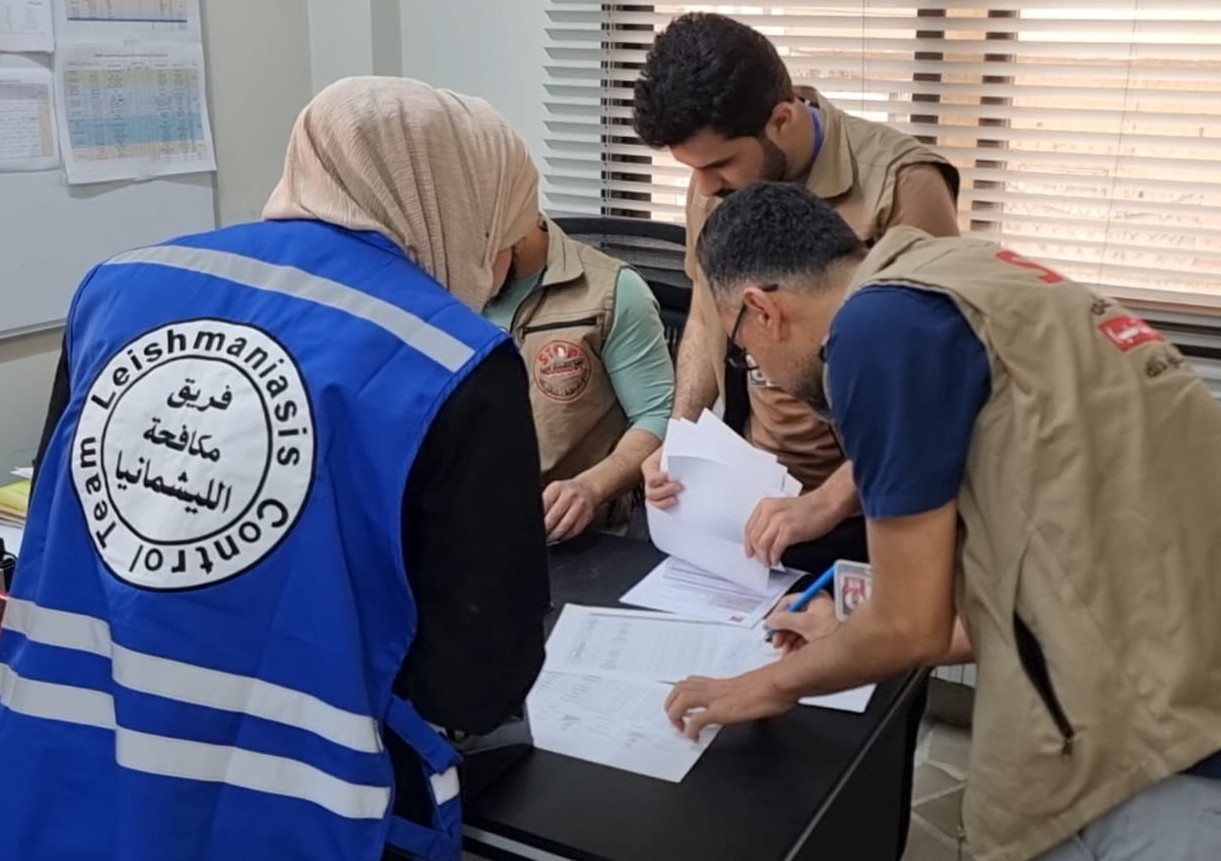
To address persistent access gaps in diagnosis and treatment in remote and underserved areas, selected VBD Units are supported by dedicated Outreach Teams made up of trained nurses.
These teams operate under the technical supervision of VBD Unit managers and extend services beyond fixed health facilities.
Outreach Teams carry out regular field visits to hard-to-reach locations by establishing temporary service points, where leishmaniasis diagnosis and treatment are provided directly at the community level.
The teams also identify suspected cases, initiate or continue treatment as appropriate, and ensure the referral of complicated cases to VBD Units or supported health facilities.
Key results
During 2025, The MENTOR Initiative achieved measurable improvements in leishmaniasis service delivery and health system coordination, including:
- A total of 11,851 new cases of cutaneous leishmaniasis and 33 cases of visceral leishmaniasis were diagnosed and treated, alongside more than 195,000 follow-up consultations.
- Five Vector-Borne Disease Units were established and are fully operational.
- 63 health facilities received technical and logistical support to strengthen leishmaniasis service delivery.
- Outreach teams reached 13,195 individuals in underserved areas and distributed more than 18,500 awareness brochures and posters.
- IRS campaigns were implemented in high-risk areas, spraying 144,628 households and reaching 799,428 beneficiaries.
From emergency response to sustainable systems
On World NTD Day, The MENTOR Initiative reaffirms its commitment to addressing neglected tropical diseases through integrated, system-strengthening approaches that support the recovery and resilience of Syria’s health system.
Supported by Syrian Cross-border Humanitarian Fund (SCHF), Grand Challenges Canada (GCC) for the Creating Hope in Conflict: A Humanitarian Grand Challenge, and The Aid Fund for Syria.
Research in Travel Medicine and Infectious Disease journal
An article published in the Travel Medicine and Infectious Disease journal last year highlighted the urgent action needed among funders and policymakers to urgently address leishmaniasis in Syria.
Cases of the neglected tropical disease continue to rise, particularly the variety that causes skin lesions, against a backdrop of forced displacement, overcrowding, a lack of healthcare services, and reduced funding.
The European Society for Clinical Microbiology and Infectious Diseases (ESCMID) Study Groups for Infections in Travelers and Migrants (ESGITM) and for Clinical Parasitology (ESGCP) made this international appeal to raise awareness and to avoid further abandonment of this already neglected disease and the often-marginalised populations it affects.
“In Syria’s current transitional period, numerous competing priorities exist. However, the cutaneous form of leishmaniasis is considered by local organisations in northern Syria to be the most serious skin disease in the region.
“Cutaneous Leishmaniasis not only severely impacts the physical health of affected populations but also has significant mental health and social consequences, particularly for women and girls.
“Furthermore, should cases of Visceral Leishmaniasis increase, this could result in higher morbidity and mortality, given the challenges of diagnosis in Syria’s devastated health system and the high mortality associated with delayed diagnosis or untreated disease.”
The article highlights the impact funding cuts have had on MENTOR’s work to control the disease and improve access to healthcare, especially in the north-east where approximately 3-4 million people are at risk of leishmaniasis.
For the full details: https://www.sciencedirect.com/science/article/pii/S1477893925000559?via%3Dihub